Raymond Davey Raymond Davey
Science and History Author

DYSCALCULIA
When numbers don’t make sense, school can feel overwhelming unless we know how to help.
Dyscalculia is one of the most misunderstood learning differences in education today. Bright, capable students are often mislabeled as careless, distracted, or “not math people,” when in reality, their brains process numerical information differently.
This book changes that.
DYSCALCULIA: Practical Tools and Strategies to Help Students Thrive With Math and Learning Differences is a clear, research-informed, compassionate guide for parents, teachers, and professionals who want to understand what’s really happening, and what actually works.
Blending powerful first-person narratives with actionable strategies, this book helps you:
Recognize early and often-missed signs of dyscalculia
Understand the student’s lived experience from the inside out
Avoid common mistakes that unintentionally create anxiety or shame
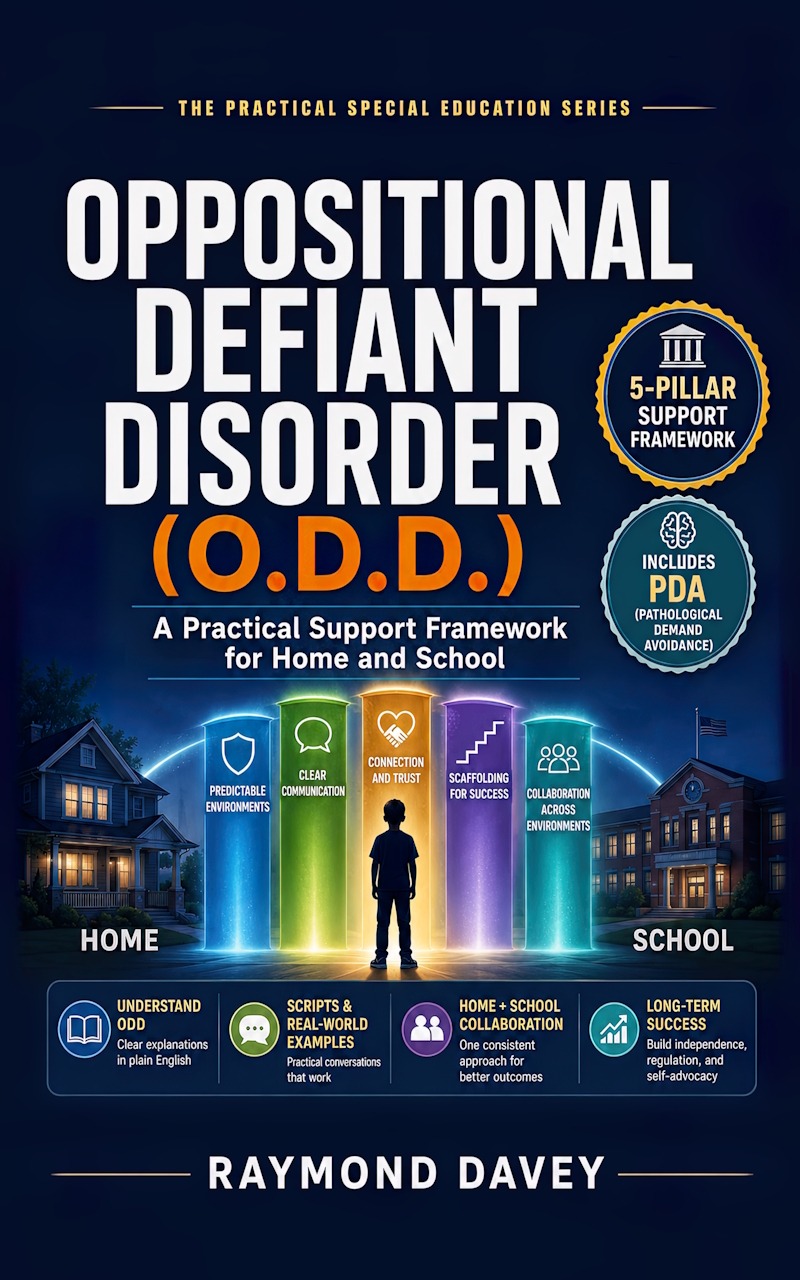
Use the 5-Pillar Framework to create predictable, emotionally safe learning environments
Support math learning through strategic scaffolding, visual models, multisensory tools, and inclusive design
Navigate shutdowns, overwhelm, and frustration using real-life scripts and language
Collaborate effectively across home, school, and specialist environments
Advocate confidently for assessments, accommodations, 504 plans, and IEP supports
With real-world case studies, sample scripts, practical tools, and strategies you can use tomorrow, this book becomes a trusted companion for anyone supporting a child with dyscalculia.
Students with dyscalculia are intelligent, capable, and full of potential.
They don’t need to be “fixed”. They need to be understood.
This book shows you how.
Other Books in the Series
Clear frameworks for real-world learning
These books focus on practical understanding. Breaking down learning challenges, cognitive differences, and classroom realities into clear, usable structures.
Designed for teachers, parents, and learners, they prioritize what works in practice, with an emphasis on clarity, structure, and application.