Raymond Davey Raymond Davey
Science and History Author

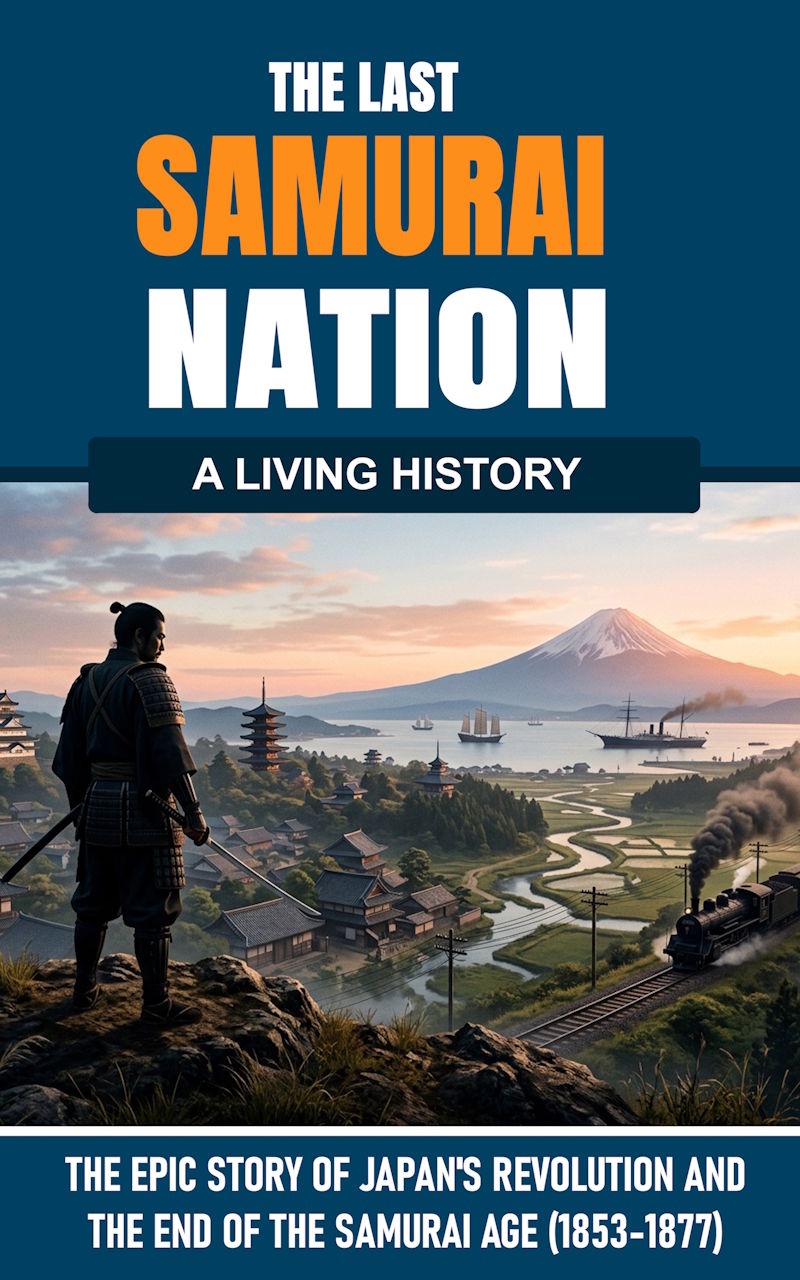
The Last Samurai Nation
The Epic Story of Japan’s Revolution and the End of the Samurai Age: A narrative history of how Japan’s samurai world vanished … 1853–1877.
A forgotten empire reborn in a single generation.
In 1853, Japan had no railways, factories, or foreign alliances. By 1877, it had a modern army, telegraphs, steamships, and the will to stand equal among the world’s great powers. The Last Samurai Nation tells the dramatic true story of that transformation — the Meiji Revolution that ended the samurai age and created modern Japan.
Drawing on eyewitness accounts, letters, and diaries, we reconstruct the pivotal years between Commodore Perry’s “Black Ships” and Saigō Takamori’s final stand at Shiroyama. Through vivid, cinematic chapters, readers witness the clash of tradition and modernity as samurai, merchants, farmers, and visionaries struggled to define what it meant to be Japanese in a changing world.
You’ll discover:
• The day Edo’s markets first felt the tremor of foreign cannons.
• How a teenage emperor became the symbol of a national rebirth.
• Why samurai rebels fought and died for an emperor they adored.
• How Japan’s educators, soldiers, and artisans turned crisis into innovation.
More than a chronicle of battles and reforms, The Last Samurai Nation is the human story of how a people facing extinction reinvented themselves and how their success forever changed Asia and the modern world.
Perfect for readers of Erik Larson, Barbara Tuchman, Simon Winchester, and Samurai Revolution.
Other Books in the Series
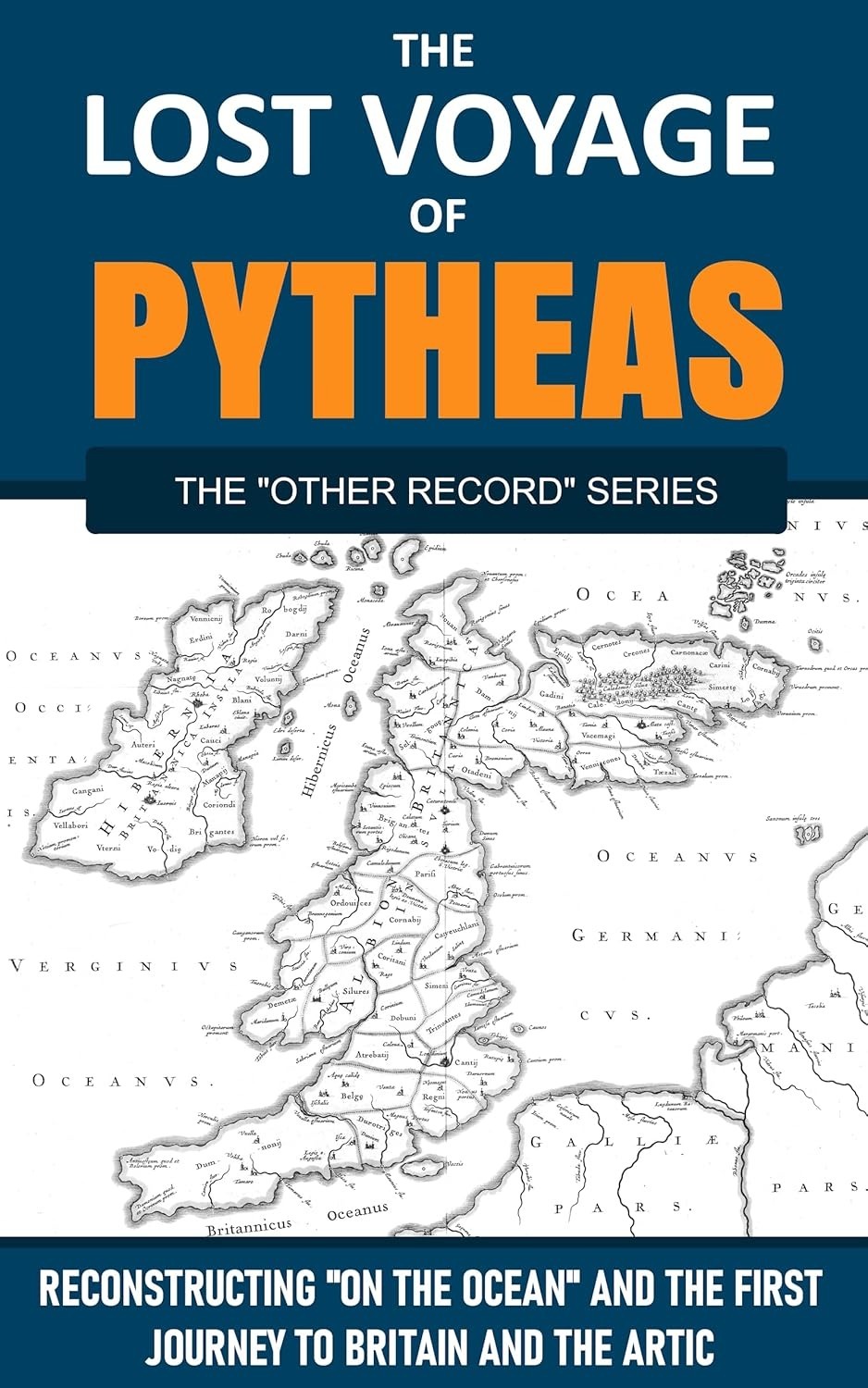
Recovering what survives in fragments
Some of the most important events, systems, and texts do not survive directly. They exist in fragments. Quoted, distorted, or preserved by those who had reason to reshape them.
These books reconstruct those worlds by working from the surviving evidence, separating what is observed, what is inferred, and what remains uncertain. The result is not retelling, but recovery.