Raymond Davey Raymond Davey
Science and History Author

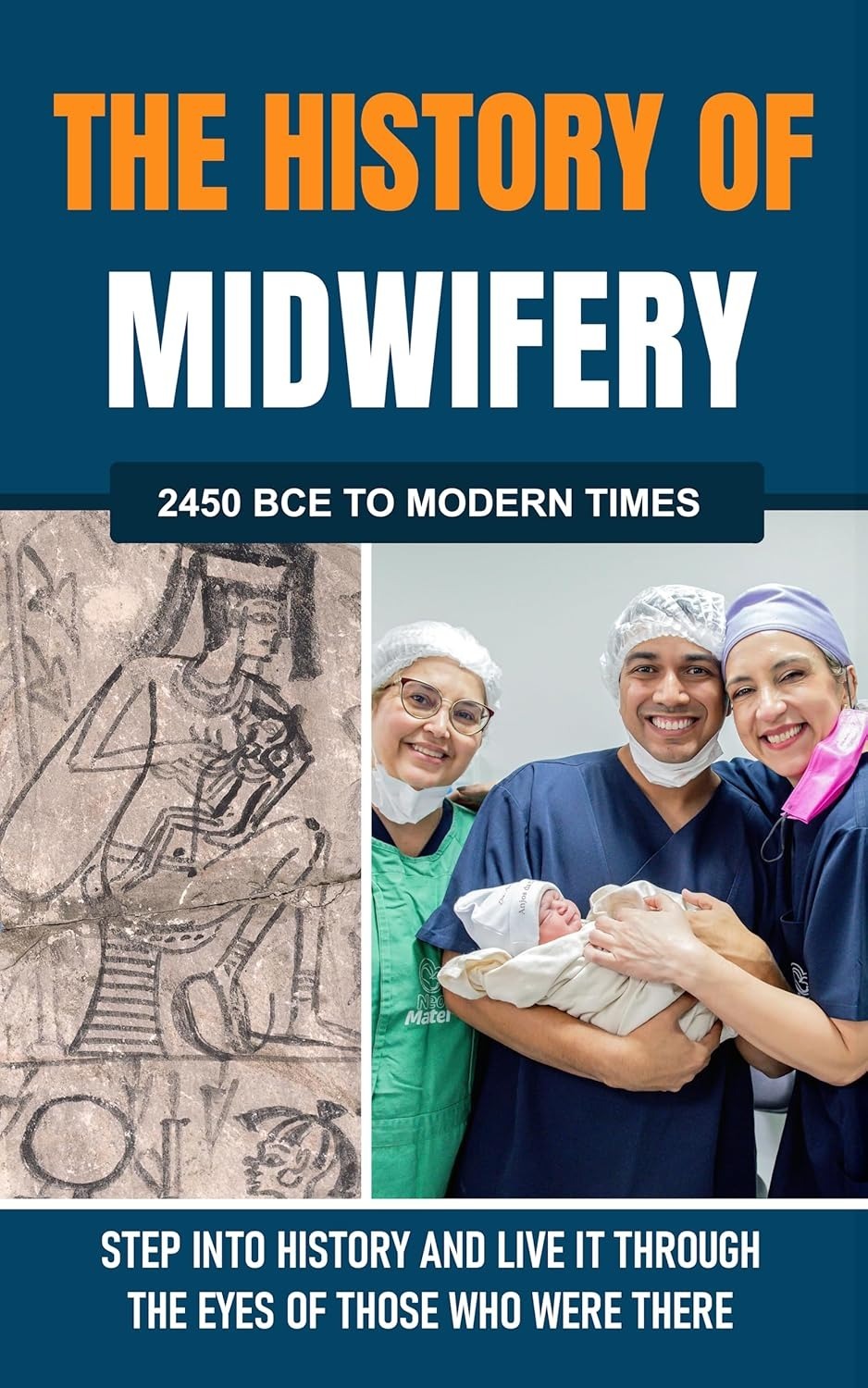
The History of Midwifery
A living history of childbirth, medicine, and the human spirit.
From the mud-brick homes of ancient Egypt to the gleaming delivery rooms of the twenty-first century, The History of Midwifery traces how human beings learned the most essential skill of all — bringing life safely into the world.
Through richly detailed storytelling that will appeal to readers of Sapiens, Barbara Tuchman, Erik Larson, and Tom Holland, author Raymond Davey transforms five thousand years of medical and social history into an unforgettable journey through time.
Meet more than 150 remarkable characters: Egyptian priestesses, Greek healers, medieval midwives, Enlightenment surgeons, and modern-day obstetric pioneers. Each chapter drops you into their world: the sights, sounds, fears, and breakthroughs that shaped birth, science, and society itself.
Unlike traditional academic histories, this book reads like living narrative nonfiction, blending rigorous research with the human drama that makes history matter. You’ll discover:
The earliest records of childbirth and women’s medicine in Mesopotamia and Egypt
How the medieval Church and early surgeons reshaped midwifery’s ancient knowledge
The rise of scientific obstetrics, anesthesia, and antisepsis
And how modern midwifery has come full circle, returning to holistic, woman-centered care
Written with the clarity and wit of Bill Bryson, The History of Midwifery combines scholarly insight with cinematic storytelling. It’s a sweeping, compassionate history that reminds us that the story of birth is the story of humanity itself.
Perfect for readers who love:
Sapiens, The Splendid and the Vile, or A Distant Mirror
Medical history, women’s history, and narrative nonfiction
Exploring how science, faith, and courage shaped our most universal experience
Other Books in the Series
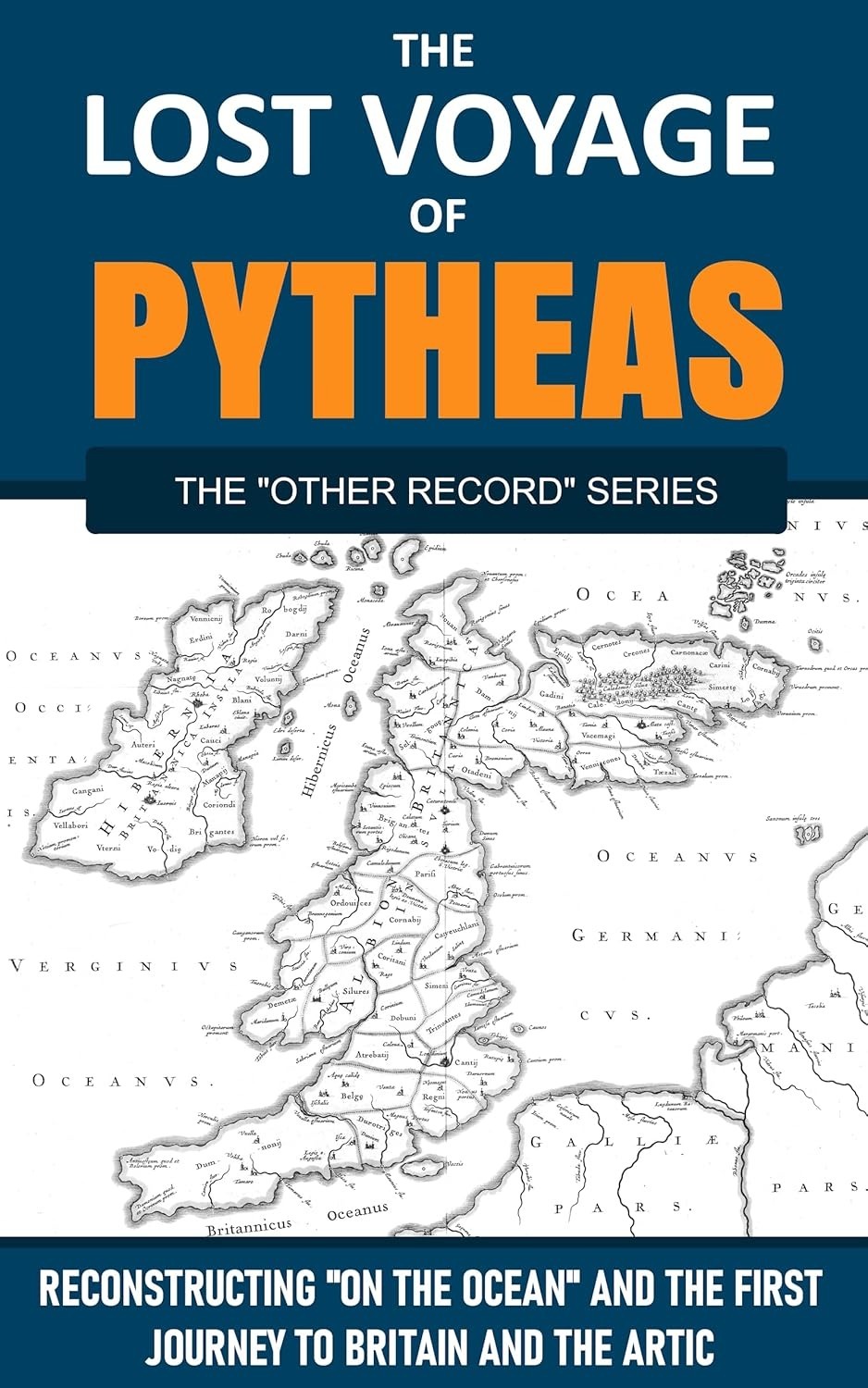
Recovering what survives in fragments
Some of the most important events, systems, and texts do not survive directly. They exist in fragments. Quoted, distorted, or preserved by those who had reason to reshape them.
These books reconstruct those worlds by working from the surviving evidence, separating what is observed, what is inferred, and what remains uncertain. The result is not retelling, but recovery.