Raymond Davey Raymond Davey
Science and History Author

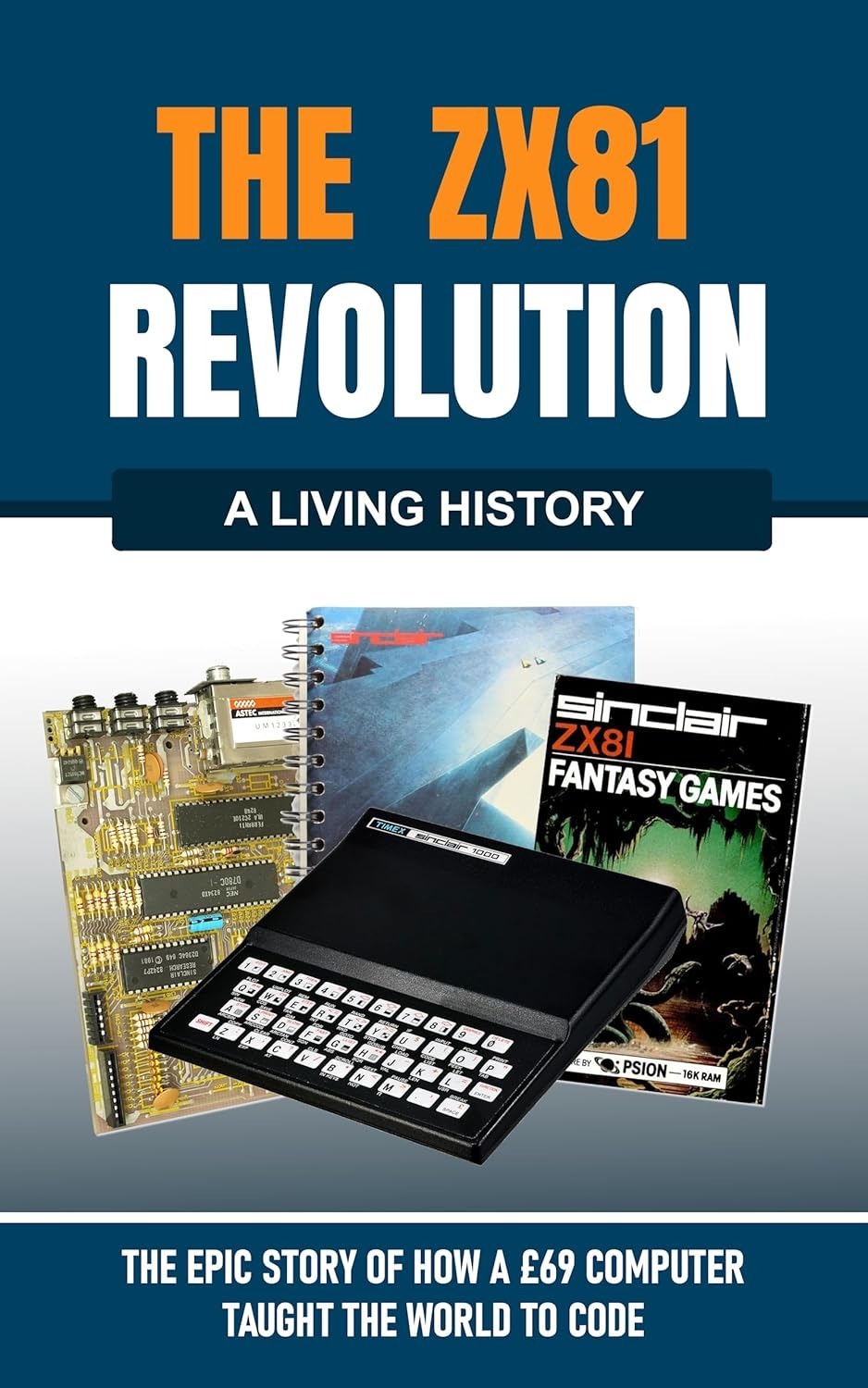
The ZX81 Revolution
“Memories come flooding back…” – Retro Computing Monthly
“A vivid, human story of the little black box that changed everything.” – Readers’ Choice Reviews
In 1981, a small black computer appeared on British kitchen tables, sparking a revolution.
The Sinclair ZX81 cost just £69.95, came as a kit or ready-built, and gave ordinary people their first taste of real programming.
With a single kilobyte of memory and a flashing “K” cursor, it taught a nation to think in code — and changed the world forever.
The ZX81 Revolution is not a dry history lesson. It’s a journey back to the whirr of cassette tapes and the glow of a cathode-ray screen; to Christmas mornings, wobbly RAM packs, and the birth of the bedroom-coder generation.
From Clive Sinclair’s daring vision in Cambridge to the Timex factory floors of Dundee and the global wave of clones from Brazil to Eastern Europe, Raymond Davey brings the story alive with warmth, humour, and meticulous research.
Inside you’ll discover:
How five chips and one idea created a global computing movement.
The Timex partnership that turned factory workers into electronics pioneers.
The teenagers whose 1-kilobyte games launched a billion-pound industry.
The cultural revolution that made Britain fall in love with code.
Richly written and fast-paced, this is the untold story of the computer that made computers personal.
Whether you built a ZX81 yourself, owned a Timex Sinclair 1000, or just remember those early days of discovery, this book will make the LEDs glow again.
“A nostalgic and inspiring ride through Britain’s digital dawn.”
“If you ever typed LOAD “”, press ENTER — this one’s for you.”
Other Books in the Series
Recovering what survives in fragments
Some of the most important events, systems, and texts do not survive directly. They exist in fragments. Quoted, distorted, or preserved by those who had reason to reshape them.
These books reconstruct those worlds by working from the surviving evidence, separating what is observed, what is inferred, and what remains uncertain. The result is not retelling, but recovery.