Raymond Davey Raymond Davey
Science and History Author
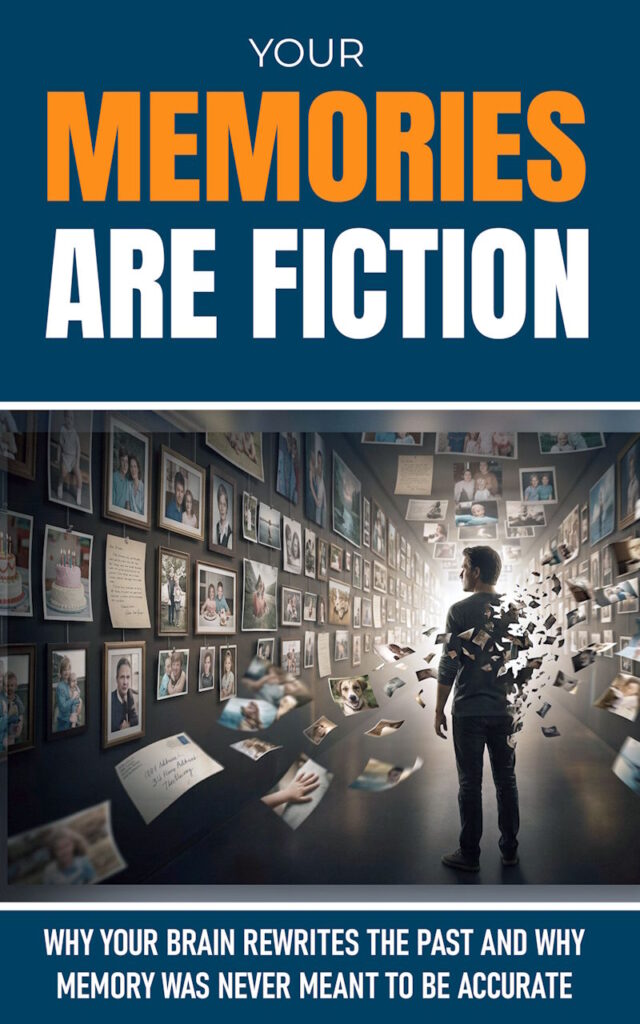
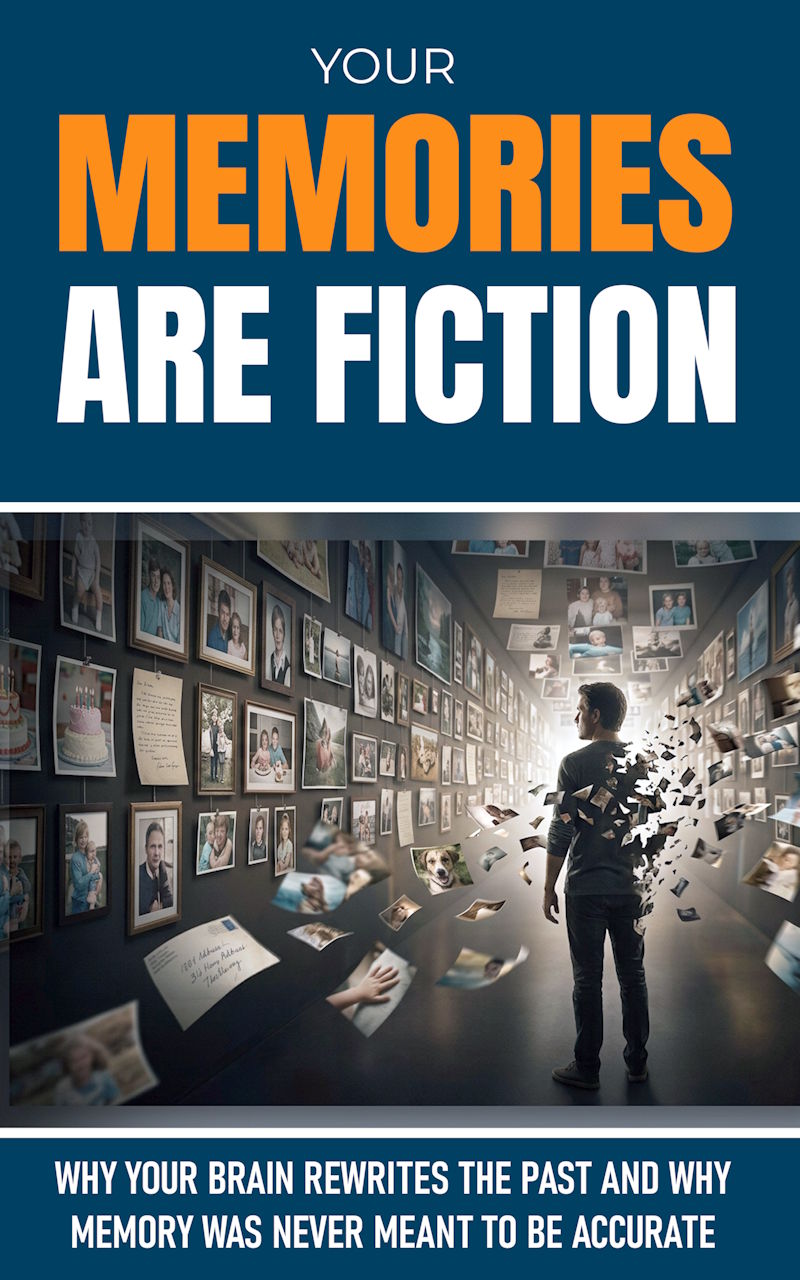
Your Memories Are Fiction
Why Your Brain Rewrites the Past and Why Memory Was Never Meant to Be Accurate
You trust your memories.
You remember your childhood.
Your wedding day.
Your first kiss.
The worst day of your life.
But what if the memories that feel most real are the least accurate?
Modern neuroscience has revealed a disturbing truth: memory is not a recording device. Every time you remember something, your brain rewrites it. Details change. Emotions shift. Entire events can be reconstructed, distorted, or even invented without your awareness.
In Your Memories Are Fiction, Raymond Davey takes readers on a fascinating journey through the science of memory, false memories, dreams, trauma, identity, eyewitness testimony, and the hidden processes that quietly reshape your personal history every day.
Discover:
✓ Why confidence has almost nothing to do with memory accuracy
✓ How your brain rewrites memories while you sleep
✓ Why childhood memories are often largely reconstructed
✓ How dreams can become part of your personal history
✓ Why eyewitness testimony sends innocent people to prison
✓ How trauma fragments and alters memory
✓ Why evolution favored useful memories over accurate ones
✓ What memory really is—and why your sense of self depends on it
Drawing on research from cognitive psychology, neuroscience, sleep science, and evolutionary biology, this book reveals how memory actually works and why the stories you tell yourself about your past may be very different from what really happened.
If you enjoy thought-provoking popular science books that challenge the way you see yourself and the world, Your Memories Are Fiction will change how you think about every memory you have ever trusted.
Perfect for readers of:
- Thinking, Fast and Slow
- Why We Sleep
- Behave
- The Body Keeps the Score
- Sapiens
Other Books in the Series
How life works, from the inside out
These books explore the systems that make life possible. Cells, development, immunity, energy, and the underlying processes that sustain every living organism.
Each one reconstructs complex biology as a clear, continuous narrative, focusing on how it works rather than just what it is. The aim is not simplification, but understanding.